Facts About Free Speech
📅 2026 Update: Recent Developments in Free Speech and Censorship
Since the original article was published, there have been significant changes in the landscape of free speech and censorship in the United States. Key court rulings, new executive orders, and shifts in public opinion have influenced how free speech is understood and protected. The earlier article continues below this update, providing foundational information on the topic.
📜 Executive Orders and Free Speech
In January 2025, President Donald Trump signed an executive order called "Restoring Freedom of Speech and Ending Federal Censorship." This order aimed to protect free speech rights and curb federal censorship. It reflects a growing emphasis on the importance of free speech in public discourse.
⚖️ Court Rulings Impacting Censorship
The Sixth Circuit Court of Appeals made a pivotal ruling on January 2, 2025. The court decided that the Federal Communications Commission (FCC) overstepped its authority by trying to restore net neutrality. This ruling led to the removal of net neutrality rules, impacting how internet service providers manage content.
🏛️ Consent Decrees on Social Media Content
In March 2026, the U.S. Department of Justice entered into a consent decree with Louisiana and Missouri. This agreement prevents federal agencies from pressuring social media companies to remove content.
It marks a significant step in limiting government influence over online speech.
📊 Public Opinion on Free Speech
A 2026 Pew Research Center survey revealed that 73% of Americans believe press freedom is crucial for society. This is an increase in public concern about potential restrictions on press freedom, with 46% expressing strong worries about these limitations.
📌 Key Points Summary
- Executive Order: President Trump’s order aims to protect free speech.
- Court Ruling: The FCC lost its authority on net neutrality rules.
- Consent Decree: Federal agencies cannot coerce social media content removal.
- Public Opinion: High importance placed on press freedom by the majority of Americans.
💡 Tips for Understanding Free Speech and Censorship
Review the details of your own situation with an attorney for tailored insights.
🗣️ Know Your First Amendment Rights
Understand that the First Amendment protects your right to free speech. This applies to both individuals and the press, ensuring that you can express your opinions without government interference.
📰 Stay Informed on Net Neutrality
With the removal of federal net neutrality rules, be aware that some states have enacted their own laws. States like California and Washington have protections against internet service providers blocking or slowing down content.
📱 Monitor Social Media Policies
Social media platforms may change their content moderation policies. Keep an eye on these changes, especially with the new consent decree limiting government pressure on these platforms.
📊 Engage in Civic Awareness
Be an active participant in discussions about free speech. Understanding public sentiment can help you navigate the evolving landscape of censorship and free expression.
📢 Advocate for Press Freedom
Support organizations that promote press freedom. Public awareness and advocacy are essential for maintaining free expression rights in society.
🏆 Ranked by User Reviews (2026)
The services listed below focus on debt relief and communications, connecting to the broader themes of free expression and individual rights. These companies have been reviewed by users, with Trustpilot data current as of October 2026. Ratings can change over time, and unhappy customers often leave more reviews, so consider a range of feedback.
🥇 1. Freedom Debt Relief
Freedom Debt Relief has been rated 4.6 on Trustpilot. Known for its debt settlement services, the company helps consumers overcome financial challenges. However, some reviews mention high fees associated with their services, which might concern potential customers seeking affordable options.
🥈 2. Patriot Mobile
Patriot Mobile holds a Trustpilot score of 4.7. This Christian conservative wireless provider is recognized for supporting First Amendment rights. While many users appreciate their mission, some reviews point to customer service issues that could affect user experiences.
🆓 No Free Options Available
Currently, there are no specific free government or nonprofit assistance programs related to the recent changes in censorship and free speech laws in the U.S. Individuals looking for help may need to explore other avenues for support.
🔎 Comparing Services for Free Speech and Censorship
- 📈 Trustpilot scores and review counts
- 🏆 Company reputation and known services
- 💬 Customer feedback trends
- ⚖️ Fees and potential costs involved
- 🔍 Customer service quality and responsiveness
❓ Frequently Asked Questions
🤔 What is the current status of net neutrality in the U.S.?
As of 2026, there are no enforceable federal net neutrality rules following the Sixth Circuit Court's ruling in January 2025. Some states have implemented their own net neutrality laws.
📣 How does the First Amendment protect free speech?
The First Amendment prohibits both federal and state governments from restricting speech, press, assembly, and the right to petition for change. This protection is fundamental to democratic society.
📰 What are the recent concerns about press freedom?
A 2025 Pew Research Center survey found that 46% of Americans are extremely concerned about potential restrictions on press freedom. This marks an increase from previous years.
⚖️ What does the Missouri v. Biden consent decree mean?
The consent decree prevents federal agencies from coercing social media companies to remove content. This reinforces the principle that government should not interfere with online speech.
🔍 How can I stay updated on changes in free speech laws?
Monitoring news sources and research organizations focused on First Amendment issues can help you stay informed. Engaging in community discussions can also provide insights into ongoing changes.
📊 What should I know about deepfake legislation?
As of mid-2026, there is no comprehensive federal law prohibiting political disinformation related to deepfakes. However, many states have started to enact their own laws targeting this issue.
⚖️ Recent Cases on Free Speech and Censorship
Recent court rulings reflect ongoing debates about free speech and censorship in the U.S. These decisions can shape how laws are interpreted and enforced concerning individual rights.
- Court rules against town official in free speech caseCourt of Appeals for the Seventh Circuit · August 7, 2026
- Court rules on free speech case involving Cedar Lake officialsCourt of Appeals for the Seventh Circuit · August 5, 2026
- Court Rules Virginia License Plates Are Private SpeechCourt of Appeals for the Fourth Circuit · July 31, 2026
- Court rules on First Amendment case involving educatorCourt of Appeals for the Seventh Circuit · May 28, 2026
For more details, you can browse more rulings on the news page.
End of October 2026 Update
What is Free Speech?
The right to Free Speech is an unalienable right afforded to every citizen of the United States of America; these rights make mention of the statutes expressed in the 1st Amendment to the Constitution of the United States – a statute that provides every American citizen to ‘Life, Liberty, and the Pursuit of Happiness’. With regard to the provisions set forth within the 1st Amendment to the United States’, the right to Free Speech prohibits the unlawful banning, prohibition, and ceasing of unlawful censorship. The following is expressed within the 1st Amendment of the Constitution of the United States with regard to the right to Free Speech:
The Right to Free Speech was proposed on September, 25th 1789
The Right to Free Speech was ratified on December 15th, 1791
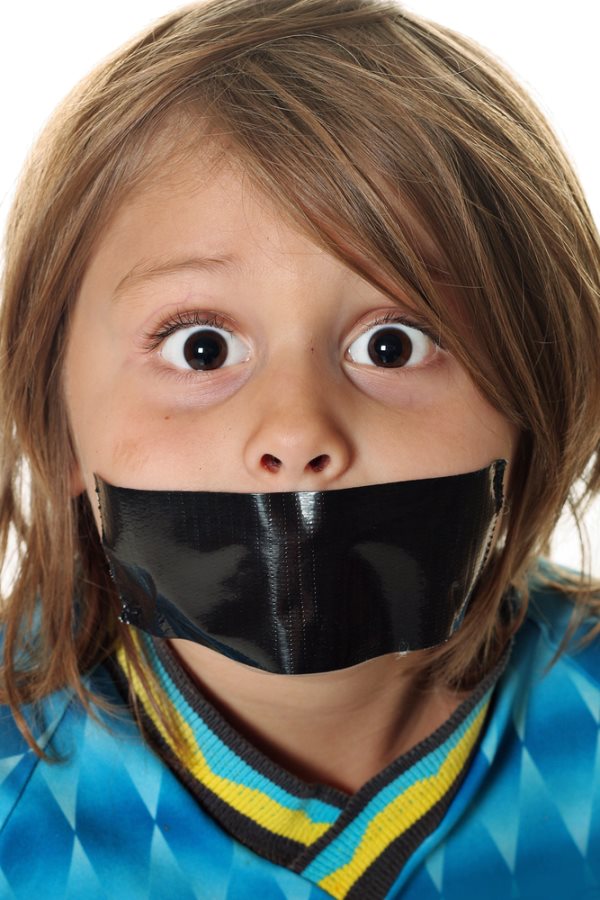
The Right to Free Speech ensures that every citizen of the United States will be entitled to the freedom to express themselves in accordance with applicable legislature enacted in order to preserve the safety and wellbeing of the general public; the right to Free Speech prohibits ideas, ideology, or creeds to be imposed on any individual without their respective and expressed consent
Free Speech Legality
The legality applied to the innate nature of any act, expressions, and depiction latent within circumstances involving the right to Free Speech are subject to review or investigation in the event that activities perceived to be criminal and illegal in nature occur in tandem with those expressions - the setting in which they take place may also be a focus of any legal investigation. While explicit or suggestive media is not necessarily illegal in specified forums, the subjection to the general public of these activities can be construed as a misuse of the right to Free Speech; this may include speech that is harmful, damaging, dangerous, illegal, or unlawful in nature – furthermore, activities considered to damage the safety and wellbeing of the general populace are also considered to be misuses of Free Speech:
Determining the Right to Free Speech
There exists a varied perception of the delineation between Free Speech and acts or expressions rooted in harmful, criminal, or unlawful expression; all expression that take place within a public setting must comply with any and all applicable statutes concerning the nature of behavior undertaken in order to serve, preserve, and protect the collective and communal rights of the citizens of the United States
Illegal Free Speech
Although the right to Free Speech is considered to be an inalienable Human Right, with regard to activity or actions that employ the Free Speech and Free expression for means that contract the legality and legislative statutes mandatory within the United States of America, Free Speech may be defined as a crime. Expression, speech or activities deemed to be damaging, hateful, and prejudicial in their nature – including expression and activity serving to denigrate and rob others of their respective ‘pursuit of happiness’ - are considered to be both an unlawful and illegal act